By Bethany Hatton
You Didn’t Ask for the Upheaval, But You Can Still Come Out Stronger
When life suddenly changes—when jobs end, relationships shift, health takes a turn, or stability gives way to uncertainty—it’s easy to feel disoriented. In these moments, your routines break, your identity may wobble, and what used to make sense might feel far away. But disruption doesn’t mean defeat. With the right strategies, you can build forward motion and agency, even when the ground feels unstable. Thriving isn’t about avoiding upheaval, it’s about learning how to meet it with tools that work.
See Change for What It Is
Change doesn’t mean something’s gone wrong. It means you’re alive and in motion. When transitions come, whether by choice or by circumstance, it’s helpful to treat upheaval as a natural cycle. There’s loss, yes. But there’s also an opportunity hiding behind discomfort. Naming the moment as a season—not a sentence—gives you a psychological foothold. Instead of bracing against it, you can work with it.
Strength Comes From How You Rebuild
Resilience doesn’t come from pushing emotions away, it grows when you face them honestly. You can lean into emotional resilience practices like breathing routines, journaling bursts, community conversations, or walking until your thoughts slow down. These are not luxury habits, they’re the maintenance tools that help you stay intact while rebuilding. Think less about toughness and more about rebound time. What gives you energy back? What drains it? Start there.
Rethink What This Change Means
Your mindset doesn’t have to match your mood. Even if you feel disoriented, you can still reshape how you perceive disruption. Don’t over-spiritualize it, but don’t let it flatten you either. Ask: What is this change inviting me to rethink? What does it free me from? What new options are visible now that weren’t before? Sometimes upheaval clears the path to act on something you’ve long avoided.
Grab Hold of the Controllables
When the big picture feels chaotic, zoom in. Control is not about gripping harder, it’s about deciding where your hands go. Even in disarray, you can still navigate what remains within reach. Start with your environment: where you sleep, what you eat, and what time you stop scrolling. Then look at your obligations. Do they still match your capacity? Do you need to pause anything?
Practice Mental Flexibility, Not Perfection
Thriving through disruption isn’t about doing everything right, it’s about staying adaptable. You’ll need to stay mentally open and present, especially when your initial plans don’t land the way you expected. Psychological flexibility means noticing the discomfort, but choosing action anyway. You can hold competing truths: “This is hard” and “I’m still showing up.” Build in a little space to pivot. Let your values guide the next step, not your fear.
Growth Isn’t Immediate, But It’s Possible
Not every hard thing leads to something beautiful, but many do. You don’t need to pretend that upheaval is a gift. You just need to stay open to what it reveals. Some people find meaning in upheaval’s aftermath by noticing how their priorities shifted, how they became more empathetic, or how their sense of self deepened. Post-traumatic growth is real—but it doesn’t mean the trauma was good. It just means something in you is still alive enough to respond.
Reclaim a Sense of Direction
After major upheaval, it’s normal to feel disoriented—like you’ve lost track of where you were headed. That’s why it helps to pick one thing you can build toward. For some people, it’s taking a leap and starting a dream business. For others, it might be pursuing an online IT master’s degree program if tech is the goal. The point isn’t which path you choose, it’s that you choose. Even slow, deliberate motion counts as progress.
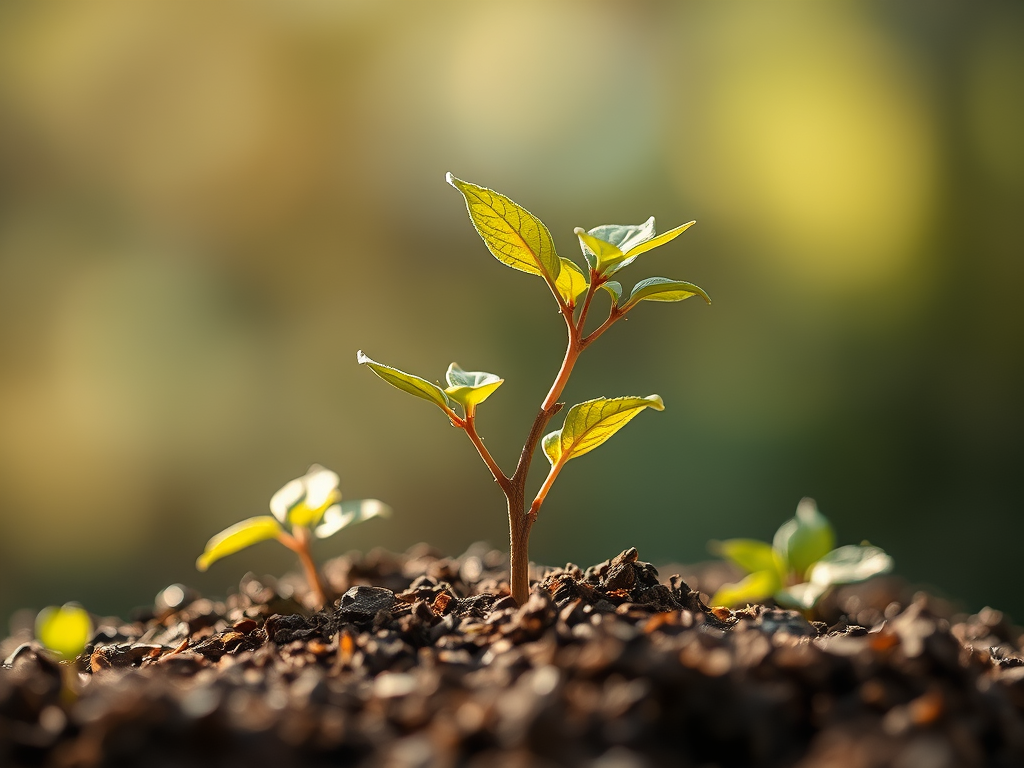
Major upheaval changes you, no question. But it doesn’t define you unless you stop moving. The strategies above won’t remove the pain or uncertainty, but they give you something stronger: direction. Accept the moment. Build new habits. Focus your energy. Stay flexible. Let growth unfold. Then, when you’re ready, plant new seeds. They won’t sprout all at once, but they will take root, because you made space for them.
If you’re facing a major life shift, you don’t have to do it alone.Bridges to Empowerment offers resources, programs, and community support designed to help you stabilize, grow, and thrive—right where you are.
 Bridges to Empowerment