https://www.podbean.com/media/share/pb-bdsiq-181f2ca
We end this conversation about what the story of Adam And Eve can teach us about finding the truth in different versions of the same story. Join us as Rev. Lynsie and Joyce-a woman who companions homeless youth in their journey through trauma-discuss the truth as a means to reclaim the divine feminine in our own life and within our religion, and how this struggle mirrors the one we find in politics today.
About That Rib: part 2
https://www.podbean.com/media/share/pb-ya6e8-18178ea
Join us as we continue our conversation about how the truth becomes obscured as we work to uncover and empower the divine feminine in Christianity and other world religions
About That Rib: How The Truth Becomes Obscured

About That Rib: How The Truth Becomes Obscured: part1
https://www.podbean.com/media/share/pb-biem9-17f8fd3
Join us for an informal conversation between Rev. Lynsie and author Thais Moray to explore the myth of the Goddess Numma and how her story may have shaped the biblical story of Adam and Eve. These myths show us how stories change with the agendas of who is in power at the time but the truth of their lessons get passed down despite how they change
Episode 1: Eve’s Appeal: Justice For The Original Woman

Unique Ways to Offer Comfort and Care to Someone with a Chronic Condition

By Camille Johnson
Supporting someone with a chronic health condition requires empathy, patience, and a thoughtful approach to both emotional and practical needs. By understanding the various ways you can assist, you become a crucial part of their support system. This article explores effective strategies that empower you to provide the best support possible, enhancing the quality of life for both you and your loved one as you navigate this journey together.
Listen Actively
One of the most vital forms of support you can offer is your attention. Active listening involves giving your loved one the space to share their feelings and experiences without interruption. This means setting aside your own judgments and solutions, and instead, focusing fully on understanding their perspective. By listening attentively, you allow them to express not just their physical struggles but also their emotional battles, fostering a deeper connection and trust between you.
Patience Is Key
Cultivate patience as you support your loved one through the erratic nature of managing a chronic condition, where progress may ebb and flow unpredictably. Understand that setbacks are natural components of their health journey, not indicators of failure. Your constant, understanding presence becomes a cornerstone of their strength, helping sustain their hope and determination during tough times. Remain a reliable source of support to guide them with steadiness and compassion, ensuring they never feel alone in their struggles.
Respect Their Independence
Respecting your loved one’s independence is as crucial as providing help; encourage them to take the lead in decisions regarding their health and daily life. While you stand ready to assist, prioritize their choices, letting them navigate their needs and preferences. This approach not only preserves their dignity but also fosters their sense of control and autonomy. By supporting their independence, you empower them to manage their life and condition with confidence.
Encourage Self-Care
Emphasize the significance of self-care to your loved one, highlighting how rest, proper nutrition, and enjoyable activities are essential for their well-being. Self-care is a vital element in managing chronic conditions, greatly influencing both their physical health and emotional satisfaction. Encourage them consistently to prioritize their health, especially when the demands of their condition can overshadow such critical self-care practices.
Grow Your Caregiving Skills
Helping a loved one manage a chronic health condition can open your eyes to new career paths, especially if you’re already in a healthcare profession. The firsthand experience of caregiving may encourage you to seek further education to enhance your impact. For instance, if you’re working as a nurse, you might consider advancing your skills by enrolling in an online RN to BSN program, which can help you refine your patient care techniques. These online courses provide the flexibility needed to balance work, study, and caregiving, making it more feasible to achieve your career goals while continuing to support your loved one.
Offer Practical Help
Practical support can alleviate much of the stress associated with managing a chronic condition. Offering to help with daily tasks such as cooking, cleaning, or running errands can significantly reduce their burden. This type of support allows your loved one to conserve their energy for other important tasks and can prevent burnout. It’s a tangible expression of your care and commitment to their health.
Provide Emotional Support
Your role in providing emotional support is just as crucial as any physical aid you offer. Stand by them as a consistent beacon of comfort and empathy, ensuring that during their darkest moments, your presence offers solace and strength. Celebrate every small victory with genuine enthusiasm, reinforcing their courage and determination. Make certain they feel your companionship on every step of this journey, never doubting they have your support and understanding.
Effectively supporting someone with a chronic health condition is a compassionate and continuous commitment. It requires attentiveness to both emotional and practical needs, promoting independence while being ready to offer assistance as needed. The journey may be complex and filled with challenges, but through unwavering support and understanding, you can provide significant relief and encouragement.
Join Bridges to Empowerment in our mission to uplift individuals navigating life’s challenging transitions by equipping them with essential tools for physical, mental, and spiritual well-being.
Photo by Pexels
Inanna Project
Join the Inanna Project the second Wednesday of every month for an hour session by Zoom or in person. Please register below.
Different ways to register:
-Each year, we will do 8 circles. If you want to register for all 8 so you don’t have to register each time, please change donation tab to monthly and it will automatically enroll you so that get zoom invite for each one. (Suggested donation for all 8 circles is 80.00- 100, but just donate what can).
-If you want to register for the next session only, please click on one time donation tab and a link will be sent to you for just the next circle. You will have to register again for each circle you want to attend after (suggested donation is $10-20 per participant).


One-Time
Monthly
Yearly
Make a one-time donation
Make a monthly donation
Make a yearly donation
Choose an amount
$10.00
$15.00
$20.00
$5.00
$15.00
$100.00
$5.00
$15.00
$100.00
Or enter a custom amount
$
Your contribution is appreciated.
Your contribution is appreciated.
Your contribution is appreciated.
DonateDonate monthlyDonate yearlyIf you don’t have a wordpress account, you can donate through PayPal click on link and it will take you to our personal donation page at PayPal
Dealing With Grief: Healthy Strategies for Long-Term Healing

Image from Unsplash
Dealing With Grief: Healthy Strategies for Long-Term Healing
Losing someone is one of the most challenging life experiences out there. But research by the American Psychological Association shows that most people recover from loss if they have healthy habits and social support aiding them in the process. If you’ve been looking for healing in these difficult times, just know that you alone can contribute to your long-term health. Here, Bridges to Empowerment demonstrates how.
Comfort in Others
One of the biggest mistakes you can make when dealing with grief is sequestering yourself. Yes, we understand the instinct to shut yourself off from the world and build fences. However, it is vital to put yourself out of your comfort zone and reach out to others in times of difficulty. There is something nurturing and comforting in talking out your emotions to loved ones. In addition, maintaining your social contacts is one of the most critical factors influencing life fulfillment and happiness levels, so it’s well worth it.
Work Out Those Emotions
Exercising is a simple enough habit, but it packs a significant punch. In addition to boosting your longevity and maintaining your overall functioning, working out is also an effective tool in navigating periods of difficulty. The exercise task gives you something to focus on instead of ruminating on the past. In addition, it helps release ‘happy hormones,’ which promote feelings of adrenaline and serotonin to leave you feeling your best.
Take Care of a Furry Friend
A study by HABRI revealed that 97% of patients showed improved mental health after interacting with animals. You can’t help but smile when you see a grumpy cat or cute dog, and these emotions help relieve stress and lift our mood. Animal companionship has calming effects on us and keeps our bodies and minds healthy. In addition, the act of being responsible for a living thing increases our sense of purpose. This can help offset the depression or loneliness you may feel after losing a loved one.
Find Fulfillment
According to an article by NBC, Americans are the unhappiest they’ve been in 50 years. The study reports that a significant reason for this statistic is that individuals remain unfulfilled in their careers. Thus, to boost your happiness, you need to find rewarding and meaningful work that induces passion. If you’re stumped for ideas, look to your hobbies. If you enjoy crafting, management, pet sitting – whatever it is – pursue it. Life is too short not to work towards a fulfilling career! From there, you can build a monetizable business. Be sure to form an LLC for your new business, too, as this will afford you limited liability, tax benefits, and reduced paperwork. Next, do some research on how LLC’s operate in your area, as the regulations can differ from state to state.
Embrace Your Emotions
Our last tip is to embrace your emotions for all they are. Grief is a particularly tumultuous life experience, and you will have waves of negative feelings. The best thing you can do for your mental health is register those feelings, embrace them, and not overthink them. It isn’t weak or abnormal to feel these feelings, nor is it a matter of shame. Instead, these feelings will come and go with time. Mindful activities like meditation and journaling can help you process your emotions faster, which can aid the process of healing and recovery.
There isn’t a shortcut through grief and the confusing emotions of loss. Getting through the other side can seem like an upward battle, but healthy strategies along the way help you get to the finish line faster. Habits create a routine that keeps you occupied and focused on the future rather than the past. So be sure to try some of these healing strategies – we promise you’ll feel better.
Experiencing a rough life patch? Bridges to Empowerment offers learning tools to increase well-being and reduce stress. Be sure to check out our classes, events, and mentoring for a happier, more empowered you.
Authored by Camille Johnson
Camille Johnson created Bereaver.com after she went through the ups and downs of the
bereavement process following the loss of her parents and husband. With the help of her friend
who was experiencing a loss of her own, she learned how to grieve the healthy way. This made
her realize that there is no one way to grieve, but it is important to do it in a way that supports your physical and mental health.
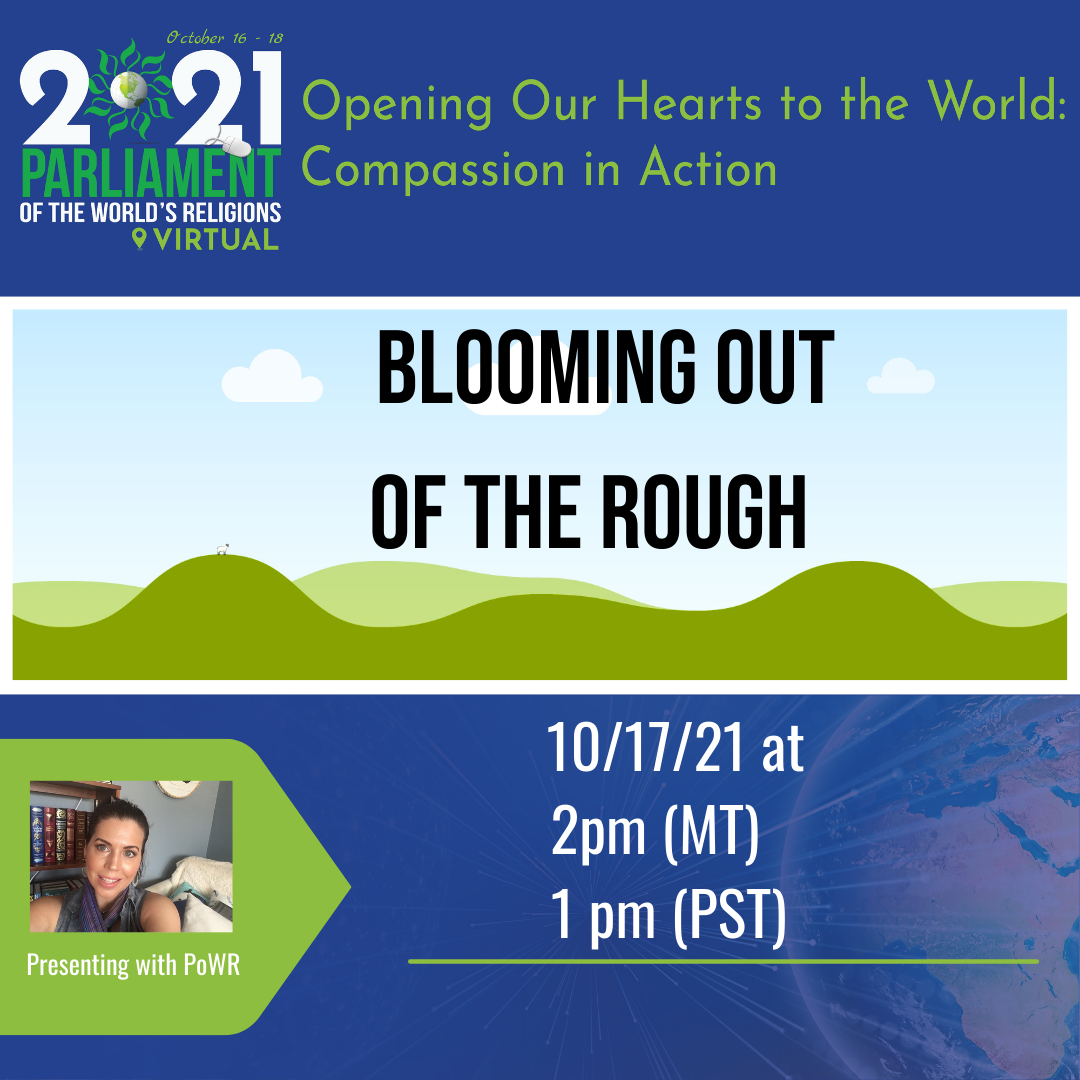
Join Us At Parliament Of World Religions

Upcoming Healing Arts Project Community Sessions

As we welcome the spring season, join Bridges To Empowerments for a time of learning to draw or paint the butterfly as a spiritual practice. The butterfly teaches us to use the changes within our lives to propel our personal and spiritual growth. As we enter spring and leave winter behind us, it is a great time to think about what beliefs or behaviors we would like to leave behind and what new ways of being we would like to foster moving forward. Learn about the symbology, stories, and mythology behind the butterfly as you draw the butterfly to help support your growth.
To sign up for one of our zoom sessions on the butterfly, click on link below to RSVP for time that works best for you and we will send you a zoom link for that date
Adult Group Sessions
For Wednesday May 19th at 6 pm mountain time click here
For Sunday May 16th at 2 pm mountain time click here
Butterfly Session for children and teens
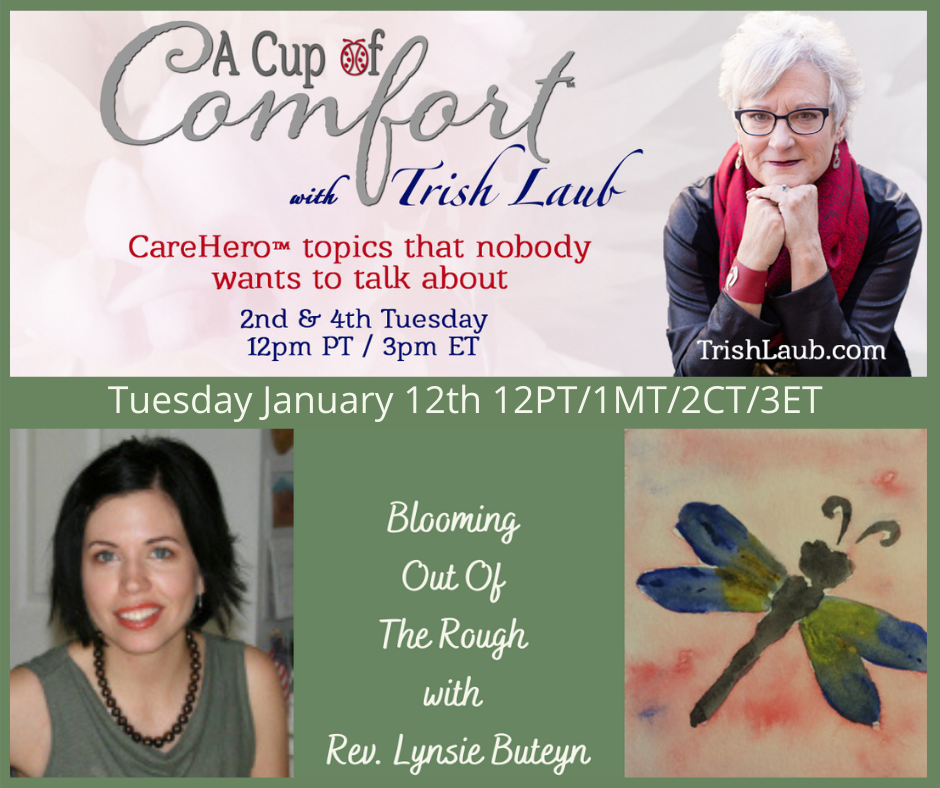
Blooming Out Of The Rough
Listen or read about Rev. Lynsie’s experiance about Blooming Out of The Rough and the book that came out of it.
Please check out Blog at Trish Laub’s site Comfort In Their Journey (a great resource for end of life care)
Also Video of interview
Rev. Lynsie’s Interview with Trish Laub on A Cup Of Comfort
How can art and symbology open you to a better self and new possibilities? Tune in and find out! Visit http://TrishLaub.com/radio for options to listen and watch or see the recording if miss the live event.
 Bridges to Empowerment